
Caregiving in today’s world brings a unique blend of challenges and opportunities. While the responsibilities can feel overwhelming, technology offers solutions that simplify daily tasks, strengthen connections, and enhance safety. These tools are not just about efficiency—they’re about creating peace of mind and fostering more meaningful moments with your loved ones.
Whether you’re providing care from afar or navigating the complexities of day-to-day caregiving, the right tech can empower you to focus on what matters most: your relationship with your loved one. Here are some ways to integrate technology into caregiving to reduce stress and improve quality of life.
Smart Home Devices for Safety and Convenience
Smart home technology adds an extra layer of safety and convenience, supporting aging adults who value their independence while providing caregivers with peace of mind.
Smart Speakers: Devices like Amazon Echo can remind loved ones to take medications, attend appointments, or even call you for a quick chat.
Smart Doorbells and Cameras: Tools like Ring enable you to monitor the home remotely, ensuring safety and deterring potential concerns.
Motion Sensors and Alerts: indoor sensors can track movement, providing reassurance that your loved one is up and active—or alerting you if something seems amiss.
These tools offer unobtrusive support, helping seniors maintain their independence while easing caregiver stress.
Wearable Devices for Health Monitoring
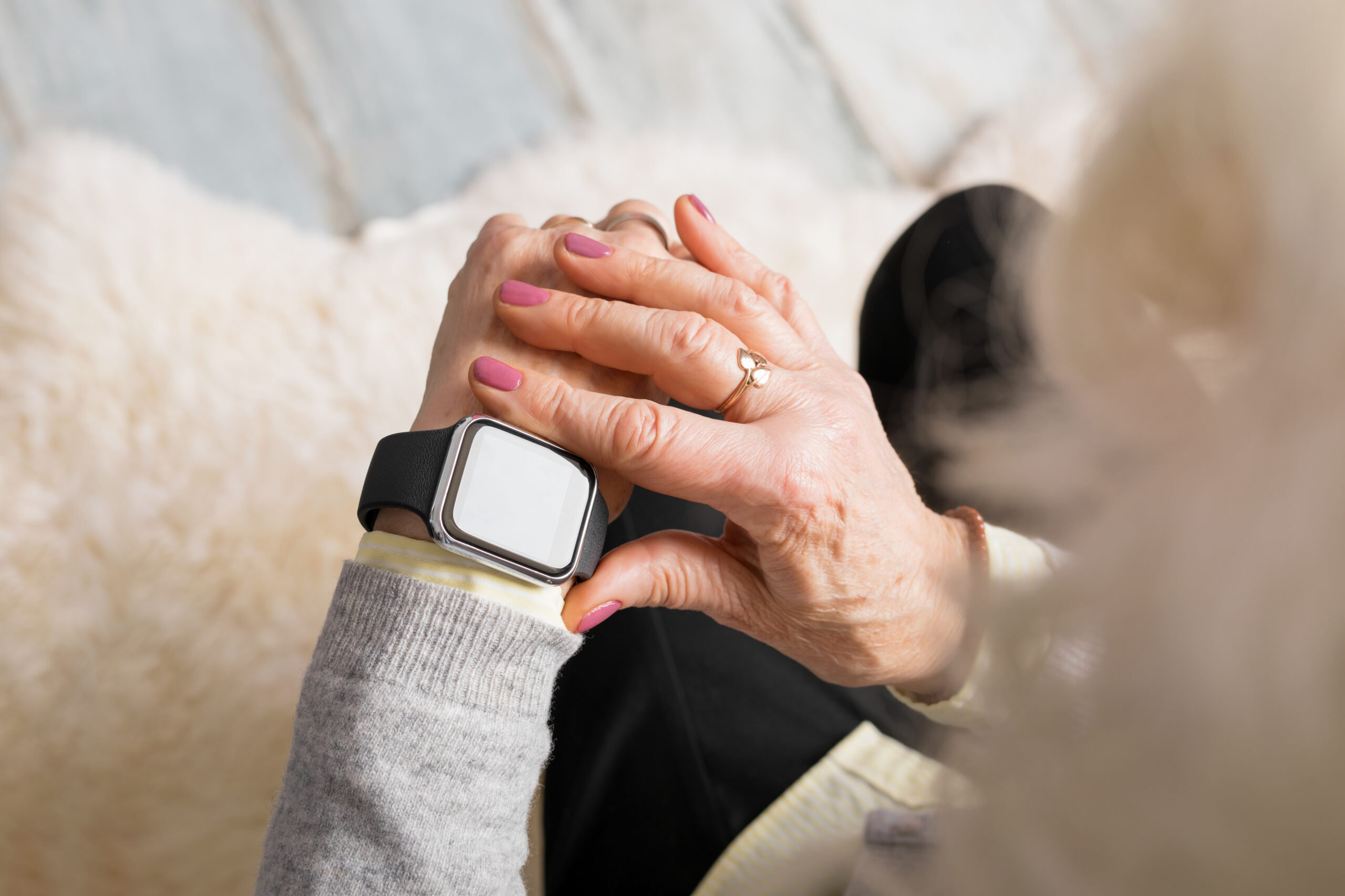
Wearable devices like smartwatches and fitness trackers offer real-time health monitoring, turning insights into actionable care. These tools can help with:
Tracking Vitals: Heart rate, blood pressure, and other metrics can reveal potential health concerns early.
Encouraging Activity: Activity tracking promotes movement and a healthier lifestyle.
Fall Detection: Devices like the Apple Watch, Yoever or Fitbit alert caregivers or emergency services in case of a fall.
For those caring for loved ones with dementia or cognitive challenges, wearable devices with GPS tracking can provide reassurance and safety.
Telehealth for Easy Medical Access
Telehealth is transforming healthcare by making medical advice more accessible, saving time, and reducing the stress of in-person appointments.
Virtual Doctor Visits: Platforms like Teladoc and TalkSpace allow for consultations from the comfort of home.
Pharmacy Apps: Many telehealth services can coordinate medication refills and deliveries, streamlining care.
By embracing telehealth, you can ensure timely medical advice without the logistical hurdles of travel.
Apps for Organization and Communication
Staying organized is key to effective caregiving, and the right apps can simplify even the busiest schedules:
CareZone: Manage medical records, track medications, and set important reminders.
Medisafe: A medication management app with timely alerts for doses.
Calm: A mindfulness app for caregivers to take moments for self-care.
Todist: Keep and share to-do lists, streamlining tasks with other caregivers or family members.
These tools help caregivers coordinate efforts while prioritizing their own well-being.
Video Calling Platforms for Emotional Connection
Maintaining emotional connections is vital for the well-being of both caregivers and loved ones. Video calling platforms such as Zoom and FaceTime foster meaningful interactions, especially when physical distance is a barrier.
For seniors who enjoy technology, consider introducing:
Fire HD Tablet or Apple iPad: Easy-to-use devices with features for entertainment, internet browsing, and more.
ViewClix: A tablet designed for seniors with simplified navigation and family-focused features.
Regular video calls not only reduce isolation but also provide a way to check on your loved one’s emotional health.
Medication Management Systems
Managing medications can feel overwhelming, but technology can make it much simpler:
Smart Pill Dispensers:Tools like Hero or MedMinder organize and dispense medications with reminders for missed doses.
Medication Reminder Apps: Apps like Medisafe notify both caregivers and seniors about upcoming doses.
These systems empower seniors to stay on top of their health while giving caregivers peace of mind.
Assistive Technology for Cognitive and Physical Support
Technology can enhance daily life for seniors facing cognitive or mobility challenges. Consider tools like:
Wifi-Activated Lights and Thermostats: Automation simplifies routines and reduces physical strain or confusion.
GPS Trackers: Devices like PAJ GPS, Apple Air Tag, or AngelSense offer safety and reassurance for loved ones who may wander.
Cognitive Tools: Apps like BrainHQ or Lumosity provide engaging brain games to keep mental skills sharp.
These tools make caregiving more manageable and support seniors in living safer, more enriching lives.
Caring Smarter, Not Harder
While caregiving will always have its challenges, embracing the right technology can make it easier to focus on what truly matters: the bond you share with your loved one. By integrating these tools into your routine, you can create a caregiving experience that’s safer, more connected, and less stressful for everyone involved.